


Land grabbing and environmental destruction for German meat? We’re supporting those affected in the Brazil’s Cerrado: Call on Tönnies and Rothkötter to take action now!
Trapped in their own home: In Capão do Modesto, in Brazil’s Cerrado, a traditional community is losing access to large parts of its land, whilst nature is being destroyed on a massive scale. Investigations suggest that soy from farms linked to land rights disputes, is entering the potential supply chains of Tönnies (now Premium Food Group) and Rothkötter via international agricultural traders. And all this so that we can have the cheapest possible meat on our plates. Tönnies and Rothkötter must finally make their soy supply chains transparent!
Now those affected are fighting back! Support their fight for their rights and call on the meat companies to take action by sending a protest email now!
Demands for Rothkötter and Tönnies (now Premium Food Group)
1.) Demand the return of stolen land! Send a public letter to your agricultural supplier, urging them to return the land to the residents of Capão do Modesto.
2.) Boycott agricultural traders who do not make their supply chains transparent! Soy from farms where there are indications of land rights conflicts or illegal destruction of nature must not be purchased until the allegations have been clarified, the abuses have been rectified, and the rights of those affected have been restored.
3.) Make your supply chains transparent and compliant with human rights standards! Ensure that the soy feed you use is produced without deforestation or the conversion of natural ecosystems, and with respect for land rights and human rights.
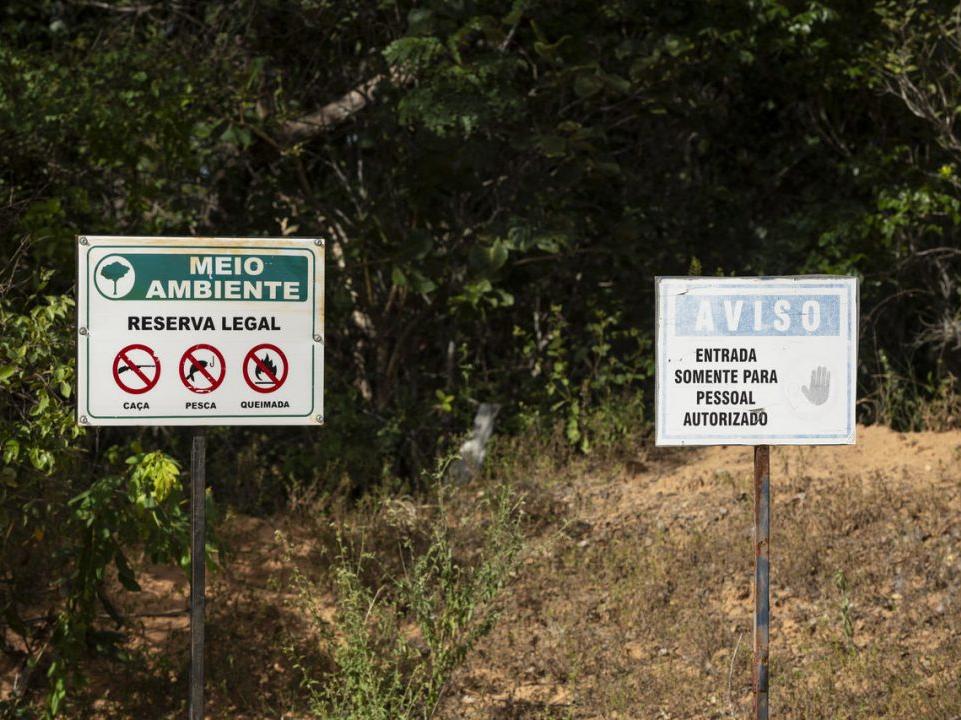
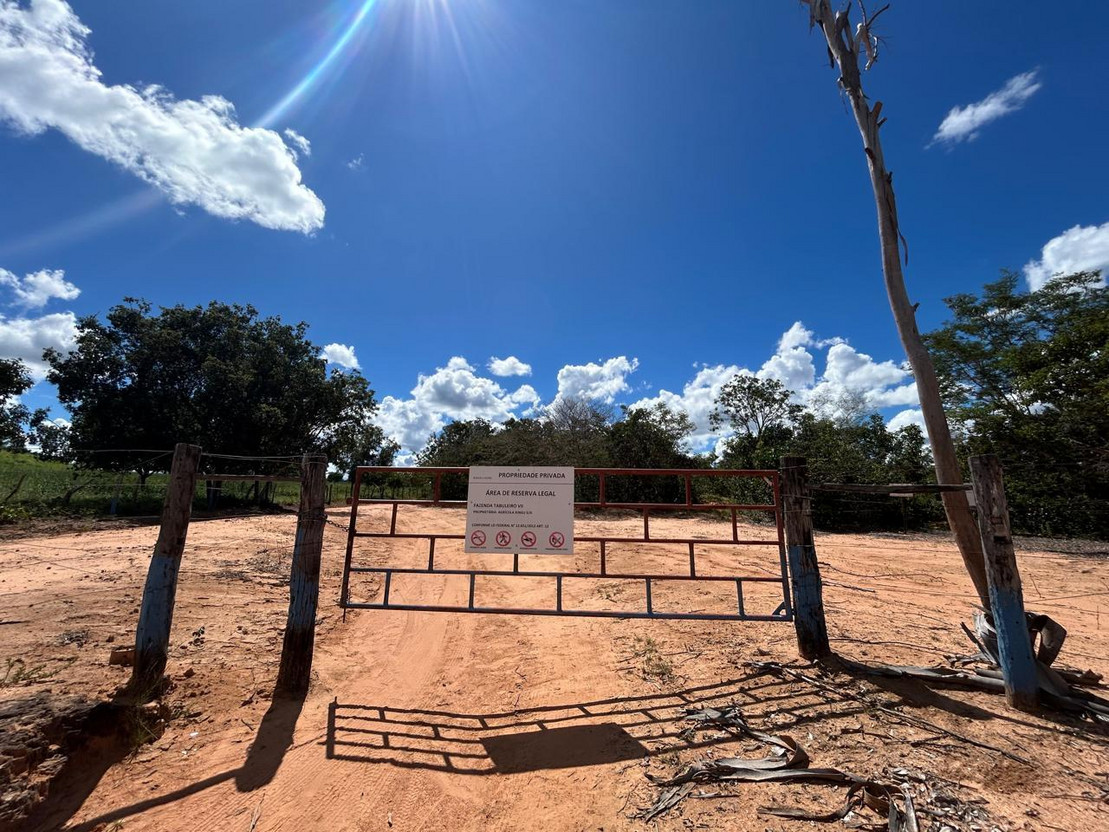
Nature conservation on paper, displacement in reality
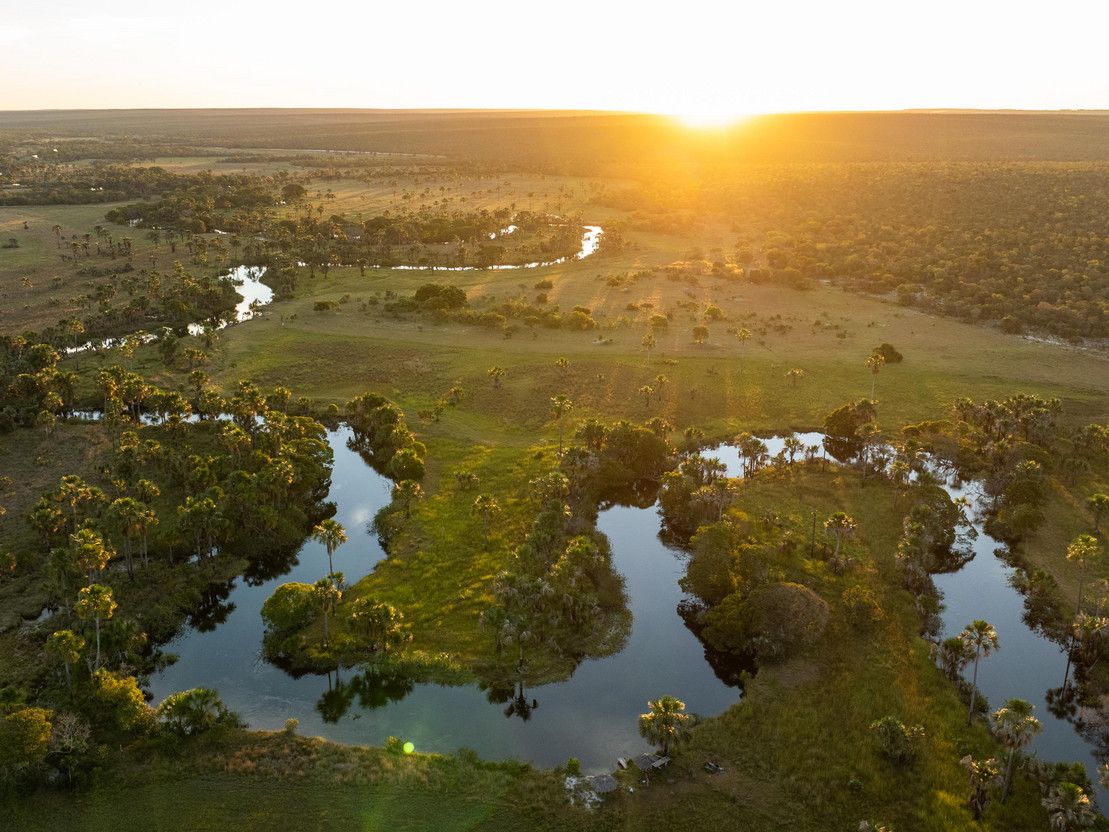
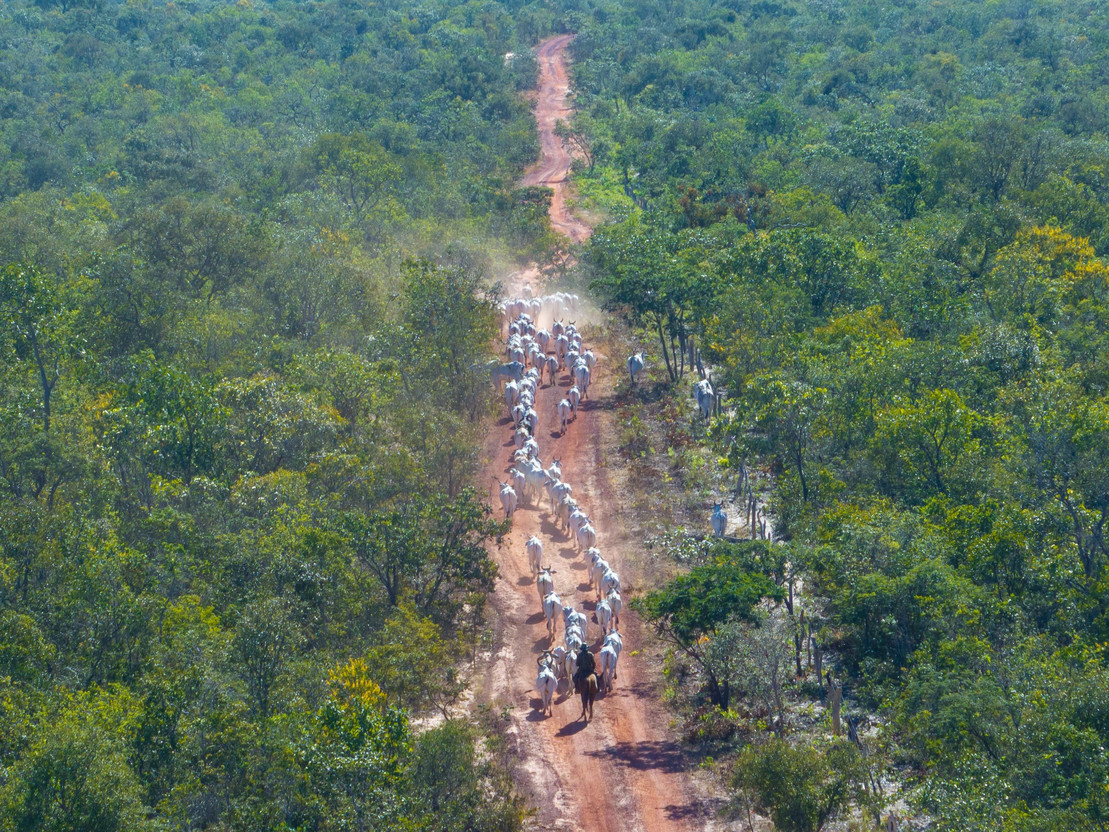
Capão do Modesto: Trapped like a bird in a cage
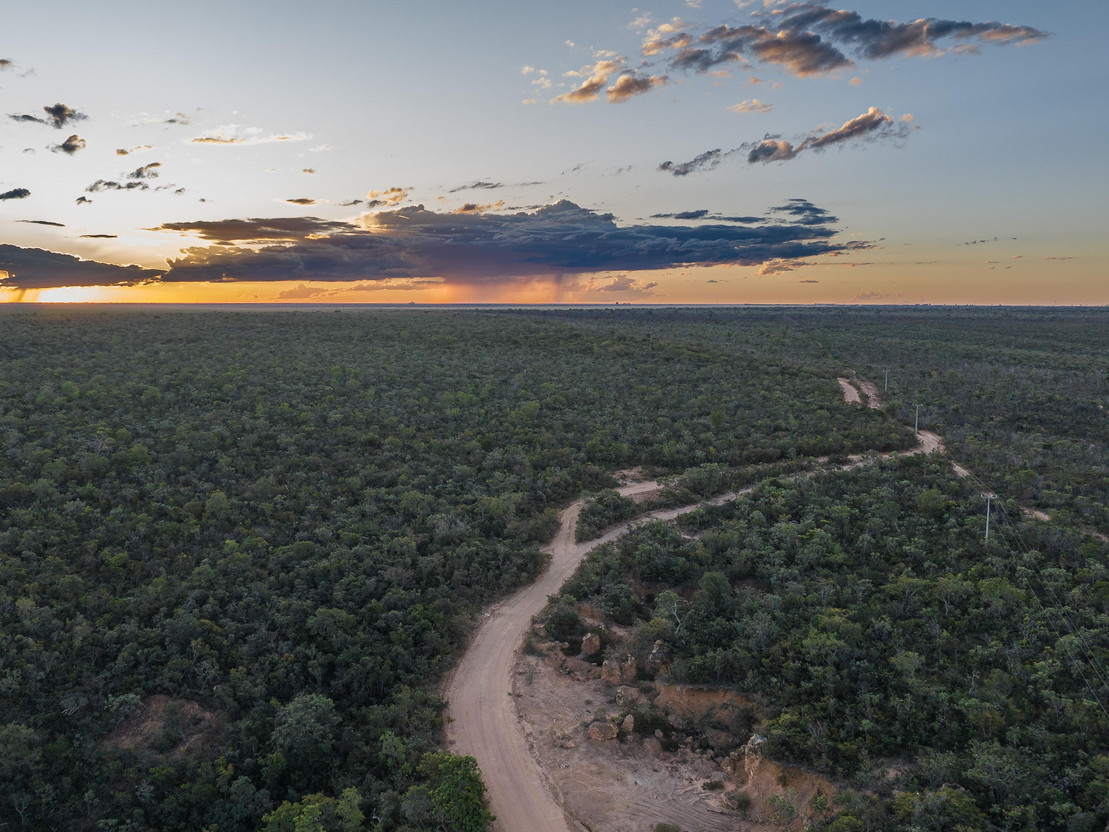
For around 300 years, traditional “Fundo e Fecho de Pasto” communities have lived in Capão do Modesto, in the west of the state of Bahia. This is within the Cerrado, a biodiversity hotspot. Their land is a traditional territory. There are no individual land titles; the land is used collectively. Families keep livestock, grow crops for their own subsistence, and gather fruit and medicinal plants.
During the rainy season, the cattle roam freely across the ‘Fecho de Pasto’ for two to three months. Members of the community take turns accompanying the herds, often for weeks at a time. This ensures the savannah is not overgrazed. And because the cattle eat highly flammable plants, the risk of fire is reduced.
According to our calculations, families are now only able to access 45 per cent of their territory. The rest is blocked off by fences, gates and armed security guards. Time and again, their animals are injured, killed or driven away, according to those affected. According to residents, in the occupied areas, they fear for their lives and anyone who speaks out publicly is intimidated, persecuted, and attacked.
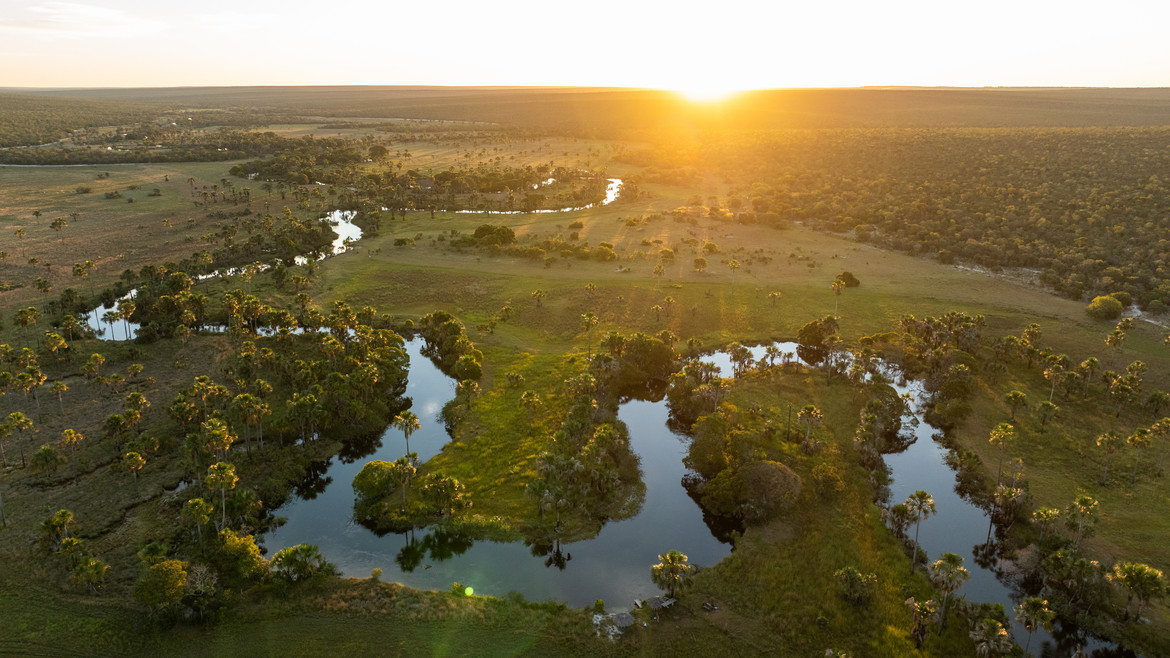

So here we are, trapped like a little bird in a cage, without the right to go outside. But we have never given up. […] We are still here.Residents of the traditional territory of Capão do Modesto
That is why we at Deutsche Umwelthilfe, together with those affected and our partner organisations, are lodging a complaint with the Federal Office for Economic Affairs and Export Control (BAFA). We are calling on the authority to investigate whether the corporations are fulfilling their due diligence obligations and make the origins of the soy in their supply chains transparent.
Add to the pressure on both meat companies by sending your protest email!
If you’d like to learn more about the background of the complaint, you can read our brief publication about it:
Nature Conservation on Paper: Brazil’s Forest Code requires agricultural businesses to set aside a percentage of their land as natural conservation areas. In Bahia, this amounts to 20 percent. However, these areas do not have to be located on their own land.
Some agricultural companies exploit this loophole: Instead of preserving natural areas on their own land, they designate these natural areas elsewhere as compensation. This often involves land that traditional, Indigenous, and Quilombola communities have used for generations. This form of land grabbing is known in Brazil as “green land grabbing” (Grilagem Verde).
In Capão do Modesto, too, the consequences are severe. According to investigations, parts of the area are being claimed by the companies SLC Agrícola and Grupo Horita as compensation areas for distant soy farms. 1 As a result, local communities are losing access to their land and their livelihoods. At the same time, the high water consumption of agricultural operations is exacerbating water scarcity: the “Riacho do Capão” stream, which supplied water to many residents, has dried up.
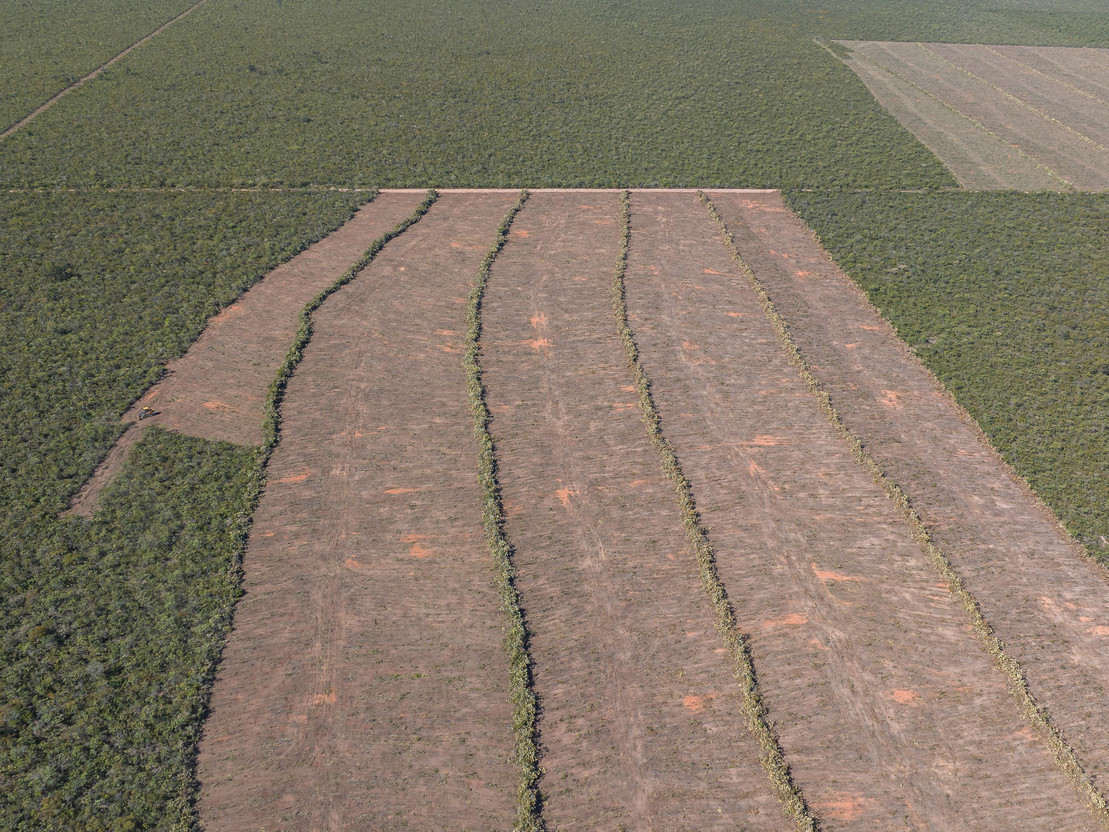
The Cerrado is Brazil’s second-largest biome after the Amazon Rainforest. It covers about a quarter of the country. It is considered one of the most biodiverse savannas in the world. It is home to jaguars, maned wolves, and giant anteaters. Its underground network of deep roots stores large amounts of CO2, thereby helping to combat climate change. At the same time, the Cerrado contains important groundwater reservoirs that feed South America’s major rivers. In Portuguese, the Cerrado is therefore also called “Coração das águas,” the heart of water. Nevertheless, its destruction is being accepted in the name of the expansion of agribusniess. Today, around 60 percent of Brazil’s agricultural production comes from the Cerrado. The majority of Brazilian soybeans used in German livestock production originate from this region. In 2025 alone, 540,614 hectares were deforested in the Cerrado; nearly twice as much as in the Amazon Rainforest.2
Soy is a key ingredient in animal feed. According to research, SLC Agrícola and Grupo Horita have supplied soy from their farms to Bunge.3 Bunge is one of the world’s largest soybean traders. In our view, research provides indications that Bunge is among the agricultural suppliers of Tönnies and Rothkötter. Meanwhile, the Supply Chain Act (LkSG) requires companies to take action as soon as they have concrete evidence of human rights violations in their supply chains.
As early as 2024, together with partner organizations, we alerted both meat companies to the significant risks of land grabbing in their supply chains. Nevertheless, no effective measures in accordance with the Supply Chain Act (LkSG) have become evident to date. According to reports, the human rights violations in Brazil are ongoing and have even intensified in some areas. At the time, we also informed the authority responsible, the Federal Office for Economic Affairs and Export Control (BAFA).4 However, the BAFA never provided us with an outcome. A request filed under the Freedom of Information Act has remained unanswered for months.
The community refuses to be intimidated. For years, it has been drawing attention to the land grabbing. In November 2026, affected residents filed a complaint with the BAFA against Tönnies and Rothkötter. The DUH and the European Center for Constitutional and Human Rights (ECCHR) are supporting those affected in their efforts. They are joined by the Brazilian organizations Associação dos Advogados de Trabalhadores Rurais (AATR), Comissão Pastoral da Terra (CPT), Instituto Sociedade, População e Natureza (ISPN), and Earthsight from the United Kingdom.
Those affected believe their rights to an adequate standard of living, physical integrity, and health have been violated. They also allege violations of the prohibition against torture, environmental regulations, and their land rights.
As a result of the complaint, the BAFA must now determine whether the conditions for taking action under the Supply Chain Act are met. It may inspect the companies and request necessary information. Those affected will be informed of the results of the proceedings. If the BAFA finds violations of the Supply Chain Act, it must order corrective measures.
If you have any questions, please feel free to send us a message. We will get back to you.

Ceren Yildiz
Expert on International Forest Conservation and Legal Issues
E-Mail: Mail schreiben
Vera Mannsbart
Project Manager, Deforestation-Free Supply Chains
E-Mail: Mail schreiben